Values That Build Great Professionals
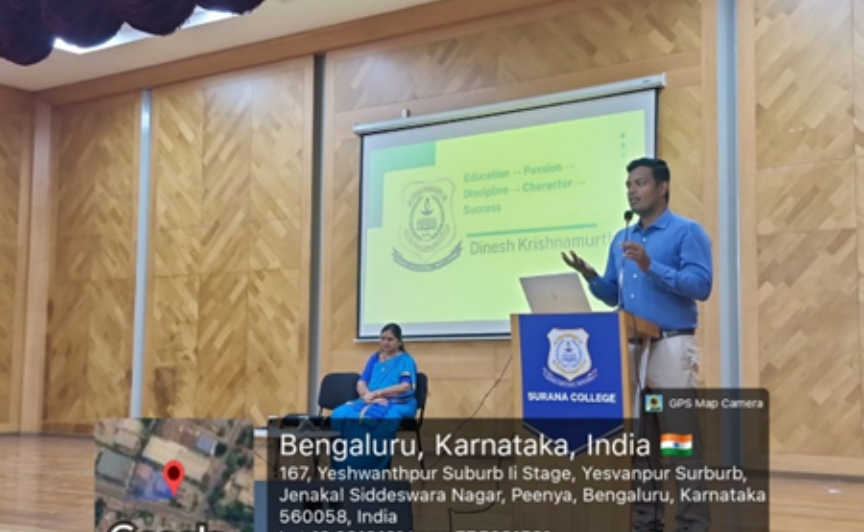
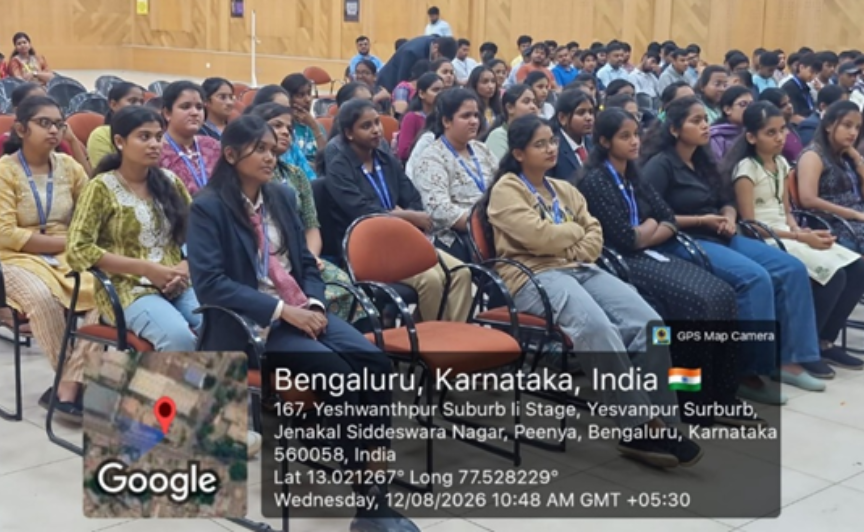
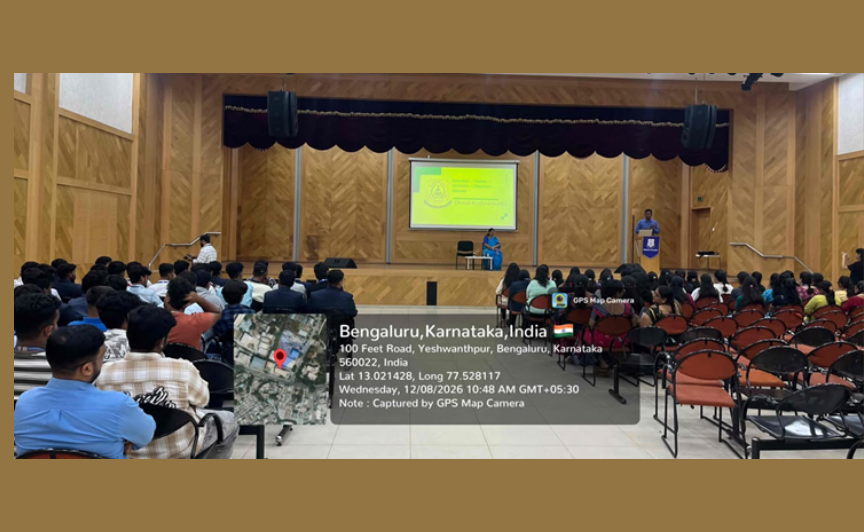
From Classroom Knowledge to Character, Integrity and Leadership Because a successful career is built not only on what we know, but also on who we become. What makes a person a great professional? Is it academic knowledge? Is it technical expertise? Is it communication skills? While all these qualities are important, there is something even more fundamental—character. In today's competitive professional environment, organizations need individuals who can demonstrate not only competence, but also ethics, integrity, accountability, empathy and responsible decision-making. With this vision, the Department of Commerce and the Department of Management organized a thought-provoking Guest Talk on “Values That Build Great Professionals” on 12 August 2026 at the college auditorium. The programme was designed to help students understand how strong professional values can shape responsible leaders and successful careers.Values That Build Great Professionals
Why Values Matter in Professional Life
A career is not built in a single day.
It is built through hundreds of decisions—some simple, some difficult and some made under pressure.
The choices professionals make can affect:
Building Responsible Professionals
The guest talk encouraged students to recognize that ethical behaviour and professional responsibility are not optional qualities; they are essential foundations of professional excellence.
Bringing Together Commerce & Management Students
The session reached students from both Commerce and Management streams.
Ethics: The Foundation of Professional Excellence
Knowledge can make you competent. Values make you trustworthy.
Students were encouraged to understand that honesty, transparency and integrity should remain central to professional conduct.
In an environment where professionals often face deadlines, competition and difficult choices, maintaining ethical standards can sometimes be challenging.
The session therefore emphasized the importance of making the right choice—even when making the right choice is difficult.
Professional Responsibility Goes Beyond the Workplace
Being a professional is not only about completing assigned responsibilities.
It is also about understanding the impact of one's actions on others.
Students explored the importance of being responsible towards:
Professional responsibility requires commitment, accountability and appropriate conduct.
The session encouraged students to see their future professional roles not merely as positions of employment, but as opportunities to contribute responsibly to their organizations and society.
Leadership Begins with Integrity
Leadership is often associated with authority, decision-making and influence.
But true leadership begins much earlier—with personal values.
The session highlighted that effective leadership requires:
Honesty
Being truthful and transparent.
Empathy
Understanding the perspectives and concerns of others.
Accountability
Taking responsibility for one's decisions and actions.
Responsible Behaviour
Making decisions that create positive outcomes for people and organizations.
Students were encouraged to understand that value-based leadership can contribute to a positive and ethical workplace culture.
When the Right Decision Is Not the Easy Decision
The corporate world can present professionals with situations where the right decision may not always be the easiest decision.
Students were exposed to the importance of ethical decision-making, particularly when facing professional pressure.
Real-life examples helped students understand how ethical challenges can arise and why responsible choices matter even in difficult circumstances.
This encouraged students to think beyond:
That difference represents the essence of ethical professional behaviour.
From Students to Future Professionals
College education provides students with knowledge and skills.
But education has a larger purpose—to prepare individuals for life and professional responsibility.
The guest talk encouraged students to combine:
A technically skilled professional may complete a task.
But a value-driven professional understands the responsibility associated with that task.
This perspective is particularly important for Commerce and Management students who will eventually work in areas involving finance, business, people, customers and organizational decision-making.
Building Value-Driven Professionals
The session aimed to develop more than academic awareness.
It focused on building qualities that students can carry throughout their careers:
Ethical thinking
Integrity
Professional responsibility
Accountability
Leadership
Empathy
Responsible decision-making
Value-based professional behaviour
The objective was to motivate students to become professionals who combine competence with character.
A Lesson That Goes Beyond the Classroom
Guest lectures provide students with something that textbooks cannot always provide—a chance to pause, reflect and connect academic learning with real professional challenges.
The “Values That Build Great Professionals” session created such an opportunity.
It reminded students that career success should not be measured only by designation, salary or position.
True professional success also includes:
The Message to Every Future Professional
As students prepare to enter the corporate world, one message stands out:
Build your career with knowledge, but build your reputation with values.
Skills may help us enter the professional world.
Experience may help us progress.
But integrity is what earns trust.
The Guest Talk on “Values That Build Great Professionals” was therefore not merely an academic session—it was an opportunity for students to reflect on the kind of professionals and leaders they aspire to become.
A great professional is not defined only by what they achieve, but by how they achieve it.
Because the professionals of tomorrow need more than degrees.
The Department of Commerce and the Department of Management remain committed to providing students with learning experiences that go beyond textbooks—experiences that nurture knowledge, skills, leadership, responsibility and character.
Because the professionals of tomorrow need more than degrees.
They need values.
And values are what build great professionals.